
Art as a Refuge in the Age of Hyperconnection
- Voized
- Aug 19, 2025
- 2 min read
In an endless scroll era, physical art feels more real than ever. Here’s why young artists and collectors crave the material and permanence.
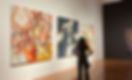
We live in a time where connection never really stops. Notifications ping, feeds reload, stories vanish in 24 hours. Everything feels temporary, volatile, and designed to be consumed in seconds. In the middle of this noise, art becomes a refuge. Not just as something to look at, but as something to hold onto.
For young artists and audiences, art offers a counterpoint to digital overload: it’s material, tangible, and permanent in a world of endless refresh. A painting doesn’t disappear with an algorithm shift. A sculpture isn’t swiped away. These objects anchor us to something real, something static when everything else feels fleeting.
Holding onto material art is also about craving presence. The texture of paint, the weight of clay, the permanence of a print on paper, they remind us that not everything has to live online to have value. In fact, the physicality of art becomes almost radical: proof that creativity doesn’t need WiFi to exist.
Creating in this way isn’t about escaping the digital era, but resisting its volatility. Saying: I’m going to make something that lasts longer than a post. Something you can touch, pass down, or hang on a wall. It’s a slower rhythm, and that slowness is power.
In a world of hyperconnection, artists bring us back to the tactile. Their works remind us there are other ways of being present, of holding space, of experiencing permanence. Instead of pixels that vanish, art gives us matter that endures.
Art as refuge, then, isn’t just about inner calm, it’s about building permanence in an age addicted to impermanence. A way to breathe, to ground ourselves, and to reconnect with what is real.